The Lifting Operations and Lifting Equipment Regulations 1998 (LOLER) are essential UK safety laws designed to ensure that lifting operations and equipment are used safely and properly maintained.
At UK LOLER & MEWP Services, we help businesses across the UK remain fully compliant with LOLER by carrying out professional inspections, reports, and certifications on all types of lifting equipment.
Understanding LOLER is vital for any business that owns, operates, or manages lifting machinery, from access platforms and cranes to forklifts and hoists. This guide explains everything you need to know about LOLER, including when it applies, why it exists, and how to stay compliant.
What Is LOLER: The Complete Guide
LOLER stands for the Lifting Operations and Lifting Equipment Regulations 1998, a set of UK health and safety regulations that apply to all lifting equipment used at work. These regulations were introduced under the Health and Safety at Work etc. Act 1974 and are enforced by the Health and Safety Executive (HSE).
The aim of LOLER is to ensure that all lifting equipment is:
- Strong and stable enough for its intended use
- Properly maintained and inspected by a competent person
- Clearly marked with safe working loads (SWL)
- Used safely by trained and authorised personnel.
In short, LOLER ensures that every lifting operation, from hoisting goods to raising people, is planned, supervised, and carried out safely.
LOLER applies to any employer, contractor, or individual who controls lifting equipment at work. It works alongside PUWER (Provision and Use of Work Equipment Regulations 1998), which covers the safe use of all work equipment, not just lifting machinery.
When Does LOLER Apply?
LOLER applies whenever lifting equipment is used in the workplace to lift, lower, or move loads, whether those loads are materials, goods, or people. It covers both permanent and temporary lifting equipment, including machinery hired or loaned for short-term use.
Examples of lifting equipment covered under LOLER include:
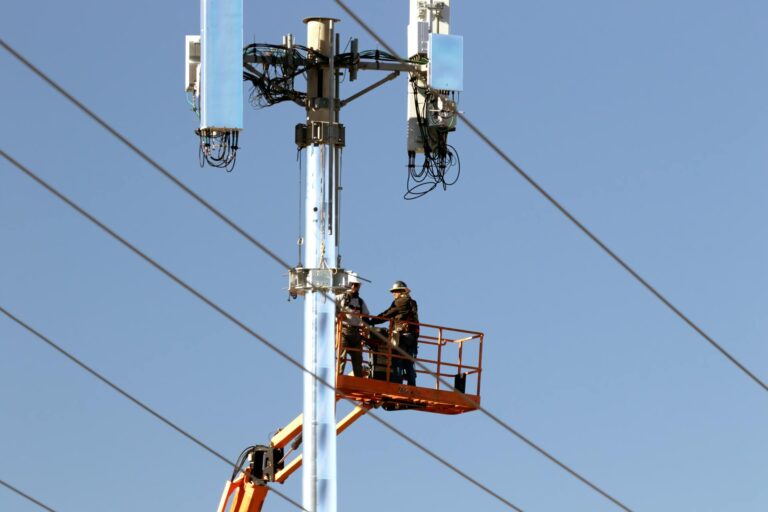
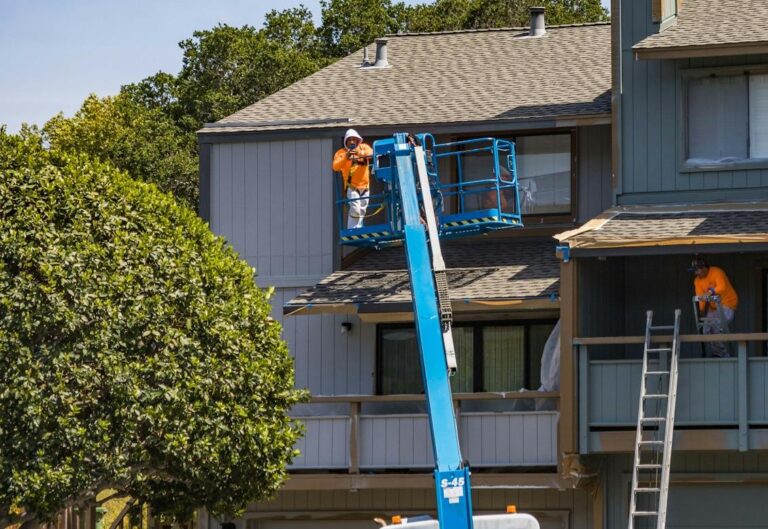
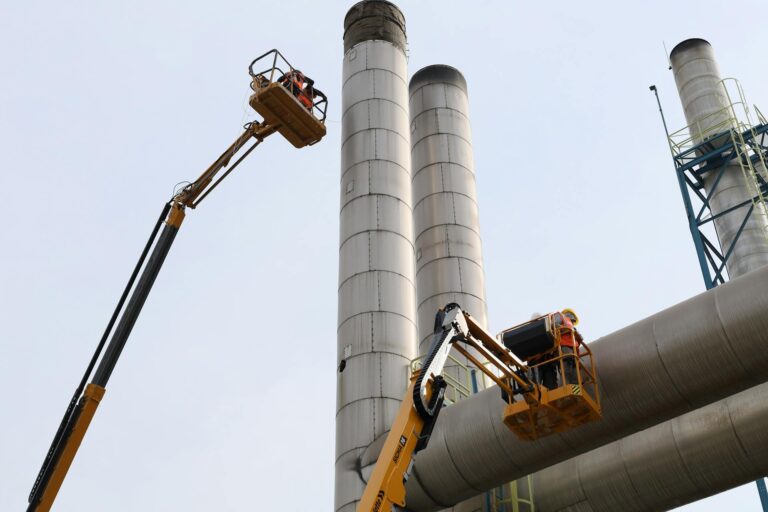
- Mobile Elevated Work Platforms (MEWPs) – scissor lifts, boom lifts, spider lifts
- Cranes and hoists – overhead cranes, jib cranes, gantry cranes
- Forklifts and telehandlers
- Passenger lifts and goods lifts
- Lifting accessories – slings, chains, hooks, shackles, spreader beams.
LOLER inspections are required at regular intervals, typically every:
6 months – for lifting equipment used to lift people
12 months – for other lifting equipment and accessories
After installation or repair – before being used again
Employers must ensure that inspections are carried out by a competent person and that a thorough examination report is produced and retained.
Why Were The LOLER Regulations Created?
Before LOLER was introduced in 1998, the UK already had general health and safety laws, but lifting operations were responsible for a significant number of accidents and equipment failures. LOLER was created to provide clear, enforceable standards specifically for lifting equipment and operations.
The goal of LOLER is to:
- Reduce workplace accidents caused by unsafe lifting practices
- Promote proper maintenance and inspection of lifting machinery
- Ensure equipment is suitable and used safely for its intended purpose
- Provide a structured inspection regime for compliance and accountability.
By enforcing regular LOLER inspections and detailed record-keeping, the regulations help to prevent equipment failure, reduce downtime, and protect both workers and the public.
For businesses, complying with LOLER not only avoids potential legal penalties but also demonstrates a clear commitment to health, safety, and best practice.
How Do You Keep Records Under LOLER Regulations?
Under LOLER, businesses are legally required to maintain accurate records of all thorough examinations, inspections, and tests carried out on their lifting equipment. These records provide proof of compliance and are essential in demonstrating that equipment is safe for use. Your records must be kept for at least two years from the date of the last examination (or until the next report is completed), and available to enforcing authorities (e.g. HSE) upon request.
Your LOLER records should include:
- Details of each item of lifting equipment (type, make, model, serial number)
- Date of the examination and next due date
- Name and credentials of the competent person carrying out the inspection
- Any defects found, their level of risk, and the corrective actions required
- Confirmation that the equipment is safe (or unsafe) to use.
At UK LOLER & MEWP Services, we provide fully detailed LOLER reports with clear defect grading and compliance recommendations. Our reporting system ensures that all inspection records are safely stored, easy to access, and audit-ready at any time.